

Salary Trends for International Graduates in Australia 2026

You’ve just landed, degree in hand, and taken your first casual shift. The pay feels small compared with what you expected, and many of your mates tell similar stories.
That moment frames this guide. It maps where students and international students sit now, and what to watch through the coming year.
We’ll give clear figures and plain advice so you can shape your search, target employers and plan study or work moves that lift your chances.
Expect to learn why some sectors and states pay more, why further education may not always raise your take‑home, and how visas and employer attitudes shape early career options.
💼 Careers Pathway Guide
Explore high-demand careers, salary insights, required skills, and full step-by-step pathways to grow your professional future.
Explore Careers Guide →Key takeaways: a snapshot of pay gaps, sector winners, visa impacts and practical next steps for your career planning.
Table of Contents
Where salaries stand now for international graduates in Australia
Let’s start with the hard numbers that shape early career expectations.
The headline figures: international undergraduates working full-time had an average of AUS$60,000 in 2022, while Australian workers sat at AUS$68,000. That gap narrowed from 2021, when the difference was AUS$10,700.

The post‑COVID rebound in early employment
Close to 60% of students who completed undergrad courses were in full‑time employment within six months after graduation in 2022. By contrast, about 80% of domestic students found full‑time work in the same period.
Half of international students on temporary visas earned less than AUS$53,300 per year. Many on a temporary graduate visa accept roles below their skill level, which affects graduate outcomes and career momentum.
"Early months matter: realistic pay and the right job can set the stage for your next move."
- What to note: the median pay is improving but gaps remain.
- Use these numbers to budget, negotiate and weigh interim roles against long-term gains.
salary trends Australia international graduates: the gap with domestic counterparts
When you line up median earnings by background and field, patterns emerge that affect your job choices.
Undergrad outcomes: In 2022, non‑Australian full‑time undergrad earners averaged AUS$60,000 compared with AUS$68,000 for domestic students. That gap is smaller than in 2021, but it still shapes offers you’ll see per year.
Postgraduate paradox: Doing postgraduate coursework often boosts pay for domestic students by about AUS$23,600. For many international graduates, however, a higher degree did not lift pay the same way.

Field differences that matter
Engineering and computing pay better overall but still trail domestic counterparts. Undergrad engineers and computing grads earn roughly AUS$12,000 less than locals; business undergrads about AUS$10,000 less.
Postgrad business, computing and engineering show wider gaps up to ~AUS$40,000 or more in some fields. Health and science are the top earners among international students, yet remain below domestic peers.
Why the gap persists
Employers often prefer candidates with permanent residency or citizenship. Many hiring managers misunderstand the Temporary Graduate (485) visa and see extra risk in sponsorship or timelines.
Skills are sometimes underutilised in early roles, which keeps earnings lower and slows career momentum.
- Address english language confidence and show hands‑on experience to shift employer perception.
- Target fields like engineering and computing where work‑ready skills close gaps faster.
Nuance behind the numbers: sectors, states and who’s earning what
Look past the averages and you’ll see clear winners and practical paths to better offers. Industry data for 2023 shows Mining, Oil & Gas (AUS$82,135) and Banking & Financial Services (AUS$80,874) at the top. Energy, Technology and Health follow, with medians above many other fields.
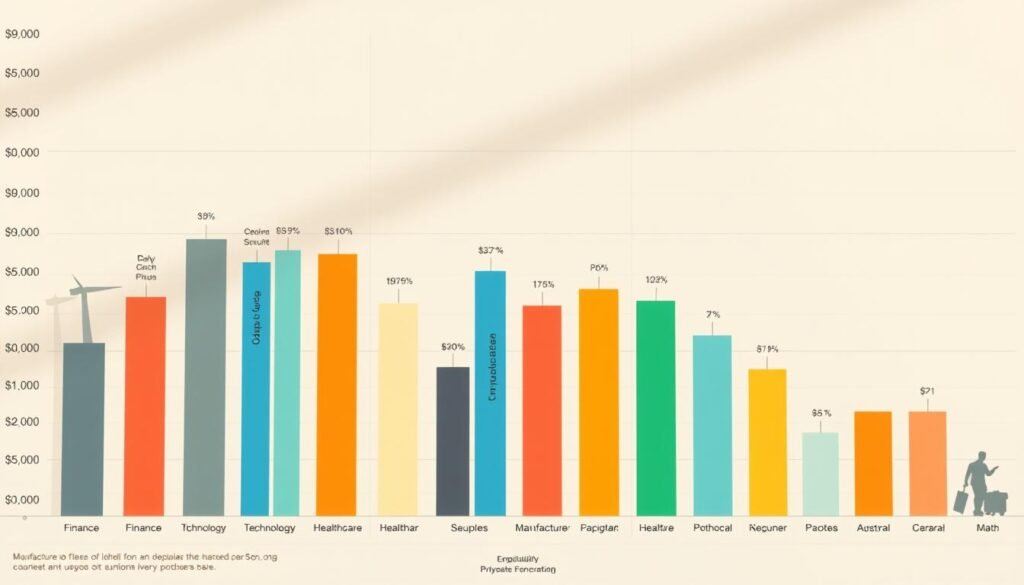
Industry pay league: from Mining and Banking to Health and Tech
Mining and banking lead starting pay. Technology and health offer strong roles too.
Practical tip: target internships in these sectors to convert a short contract into a full‑time job.
State-by-state signals: where offers skew higher
Victoria and the ACT show the highest average graduate salaries. Factor the cost of living when you compare offers.
Time since graduation: short-term versus longer-term earnings
Older graduates and those three years post‑qualifying often earn more. Regional or remote jobs can pay a premium in both short and longer terms.
Demographic drivers and university standouts
Men had a roughly 9.4 per cent higher median in past surveys. Speaking English at home correlates with higher median outcomes.
Fields matter: pharmacy posts almost universal full‑time employment, while psychology shows lower rates. Some campuses, like James Cook and the University of Queensland, report higher full‑time medians and better graduate outcomes.
"Use sector, state and campus signals to tailor where you apply and how you pitch your skills."
- Focus on engineering and tech projects to attract employers in higher‑paying sectors.
- Use graduate outcomes data when you contact recruiters; it shows evidence of fit.
- Watch government policy and Work Australia lists for sectors hiring in your year.
What this means for you in 2026 and how to lift your earning potential
Use focused steps to close gaps with employers and speed your career. Target sectors where jobs pay above the median and show concrete project work that proves your skills.
Tailor your search by tracking hiring cycles, graduate programs and internships on Work Australia and employer sites. Position your degree and portfolio to show measurable impact so you can confidently ask above the median.
Build high-value skills client communication, data fluency, engineering practicums and short certifications. Explain visa timelines clearly to reduce employer risk and show readiness for sponsorship or permanent residency paths.
Keep a simple checklist: monitor government changes to visas, map roles likely to meet an AUS$70,000 threshold, use university career services, and update your search every year. Do these and you’ll improve job prospects, employment outcomes and longer-term career momentum.
Want to Explore Your Career Path?
Discover top-paying roles, career pathways, salary insights, and expert guidance to plan your future with confidence.
Graduate Salary Expectations: Insights for Canada's Business & Finance

UK Finance Graduate Salary Outlook for 2026

MBA Salary Potential: Average MBA Salary USA

MBA vs Masters Salary Comparison Guide USA

Get Career Coaching for International Students USA - Expert Guidance

Boost Your Career: USA Career Tips for Finance Graduates
Go up
Leave a Reply